เหตุใดการรู้ชื่อชิ้นส่วนของเก้าอี้จึงมีความสำคัญ
ไม่ว่าคุณกำลังซ่อมแซมส่วนประกอบที่เสียหาย สั่งซื้อชิ้นส่วนทดแทน หรือติดต่อกับผู้ผลิตเฟอร์นิเจอร์ การรู้ชื่อชิ้นส่วนเก้าอี้ที่ถูกต้องจะช่วยขจัดความคลุมเครือและประหยัดเวลา "เบาะรองนั่ง" และ "แผ่นรองนั่ง" เป็นส่วนประกอบที่แตกต่างกัน "ถังแก๊ส" และ "ฐานเก้าอี้" ทำหน้าที่ต่างกัน คำศัพท์ที่แม่นยำใช้กับเก้าอี้ประเภทต่างๆ — เก้าอี้สำนักงาน เก้าอี้ทานอาหาร เก้าอี้ปรับเอน และเก้าอี้บาร์มีส่วนประกอบโครงสร้างหลายอย่างตามชื่อ แม้ว่าการออกแบบจะแตกต่างกันอย่างมากก็ตาม
ที่ seat is the primary load-bearing surface and consists of several distinct parts:
- ถาดรองนั่ง (ตัวเบาะ): ที่ structural base of the seat — typically moulded plastic, plywood, or formed steel — that supports the cushioning and upholstery above it. When a seat cushion is removed, the seat pan is what remains.
- เบาะรองนั่ง(เบาะรองนั่ง): ที่ foam, fibre, or spring-supported upholstered layer on top of the seat pan that provides comfort. In dining chairs this is often a single removable pad; in office chairs the foam is typically bonded to the seat pan and covered in fabric or mesh.
- โฟมรองนั่ง: ที่ internal padding material, most commonly polyurethane foam rated by density (kg/m³) and ILD (Indentation Load Deflection, a measure of firmness). Higher-density foam — มากกว่า 45 กก./ลบ.ม — ต้านทานความเมื่อยล้าจากแรงกดได้นานกว่าโฟมเกรดประหยัดอย่างมากในการใช้งานทุกวันอย่างต่อเนื่อง
- เบาะนั่ง (ผ้าหุ้มเบาะ): ที่ fabric, leather, vinyl, or mesh covering that wraps the seat cushion. Attached by staples, clips, or a slip-on cover depending on the chair design.
- ขอบน้ำตก: คุณลักษณะการออกแบบที่ขอบด้านหน้าของเบาะนั่งโค้งลงแทนที่จะสิ้นสุดในมุมขวาสุด ลดแรงกดบริเวณหลังเข่าระหว่างการนั่งเป็นเวลานาน และเป็นข้อกำหนดเฉพาะในเก้าอี้สำนักงานที่เหมาะกับสรีระ
ที่ Backrest Assembly
- พนักพิง (แผงด้านหลัง): ที่ vertical surface that supports the sitter's back. In upholstered chairs this is a padded panel; in office chairs it is often a mesh-stretched frame or moulded plastic shell.
- การสนับสนุนเกี่ยวกับเอว: ส่วนยื่นที่โค้งมนหรือแผ่นรองแบบปรับได้ในส่วนล่างของพนักพิงที่รองรับส่วนโค้งเอวของกระดูกสันหลัง ในเก้าอี้ที่เหมาะกับสรีระระดับพรีเมี่ยม ส่วนรองรับบั้นเอวสามารถปรับความสูงและความลึกได้อย่างอิสระ
- พนักพิงศีรษะ (ที่วางคอ): ส่วนต่อขยายเหนือพนักพิงหลักที่รองรับศีรษะและคอ พบได้ทั่วไปในเก้าอี้ผู้บริหารที่มีพนักพิงสูงและได้มาตรฐานมากขึ้นในเก้าอี้ทำงานที่เหมาะกับสรีระ อาจแก้ไขหรือปรับความสูงและมุมได้
- เบาะหลัง: ที่ covering material on the rear-facing surface of the backrest. On many chairs the rear face uses a different, less expensive material than the front since it is not in contact with the user.
- โครงด้านหลัง: ที่ internal structural skeleton of the backrest — typically steel rod, aluminium extrusion, or moulded plastic — to which upholstery or mesh is attached. Visible on wire-frame and exposed-frame chair designs.
ที่วางแขนและส่วนประกอบ
- ที่เท้าแขน(แขน): ที่ horizontal surface on which the user rests their forearm. May be fixed or adjustable. Described by their adjustment axes: ปรับความสูงได้ (1D) ปรับความสูงและความกว้างได้ (2D) ปรับความสูง ความกว้างและเดือยได้ (3D) หรือปรับความสูง ความกว้าง เดือยและความลึกได้ (4D) .
- แผ่นรองแขน (แผ่นรองที่วางแขน): ที่ cushioned or padded top surface of the armrest that contacts the forearm. Often replaceable as a separate part; common materials include PU foam, PVC, gel, and fabric.
- ที่วางแขน (ส่วนรองรับแขน): ที่ structural bracket connecting the armrest to the seat pan or chair mechanism below. Usually steel or reinforced nylon.
- แขนพลิกขึ้น: ที่วางแขนที่ออกแบบให้พับขึ้นไม่ให้เกะกะ โดยทั่วไปแล้วจะระบุไว้ในเก้าอี้ที่ใช้ในสภาพแวดล้อมของห้องดูแลสุขภาพ การศึกษา และห้องฝึกอบรม ซึ่งจำเป็นต้องเข้าถึงจากด้านข้างบ่อยๆ
ที่ Chair Mechanism and Height Adjustment
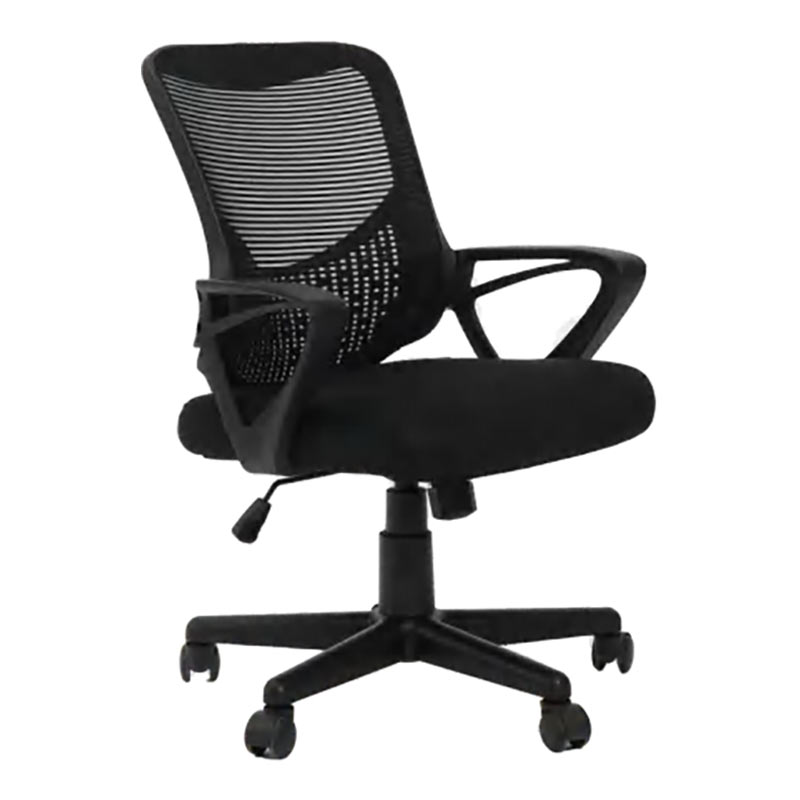
ในเก้าอี้สำนักงานและเก้าอี้ทำงาน ส่วนต่อประสานระหว่างที่นั่งและฐานประกอบด้วยกลไกการปรับและการเคลื่อนไหวที่ทำให้เก้าอี้ที่เหมาะกับสรีระแตกต่างจากเก้าอี้แบบคงที่:
- กลไกเก้าอี้ (กลไกการเอียง กลไกควบคุม): ที่ metal plate assembly mounted beneath the seat pan that controls tilt, recline, and rocking functions. The mechanism housing contains the tension spring, lock, and pivot points. Common types include single-lever, multi-function, synchronised tilt (where the seat and backrest tilt in a defined ratio), and free-float mechanisms.
- ถังแก๊ส (ถังนิวแมติก, ลิฟต์แก๊ส): ที่ spring-loaded nitrogen-filled cylinder connecting the mechanism to the chair base that provides height adjustment. Pressing the seat height lever releases the valve; body weight compresses the cylinder to lower the seat, and removing body weight allows the nitrogen pressure to raise it. Standard cylinders provide a ช่วงการปรับความสูง 100–150 มม ; กระบอกสูบสูงจะขยายได้ถึง 200 มม. หรือมากกว่า
- ปุ่มปรับความตึง (ตัวปรับความตึงความเอียง): ปุ่มซึ่งโดยปกติจะอยู่ใต้เบาะนั่งด้านหน้า เพื่อปรับแรงต้านสปริงของกลไกการเอียง ช่วยให้ผู้ใช้ที่มีน้ำหนักมากหรือเบาสามารถปรับเอนได้ตามต้องการ
- คันโยกล็อคเอียง: ล็อคพนักพิงในตำแหน่งตั้งตรงหรือตำแหน่งเอนที่เลือก การปลดล็อคทำให้โยกหรือเอนได้อย่างอิสระ
ที่ Base, Legs, and Caster Assembly
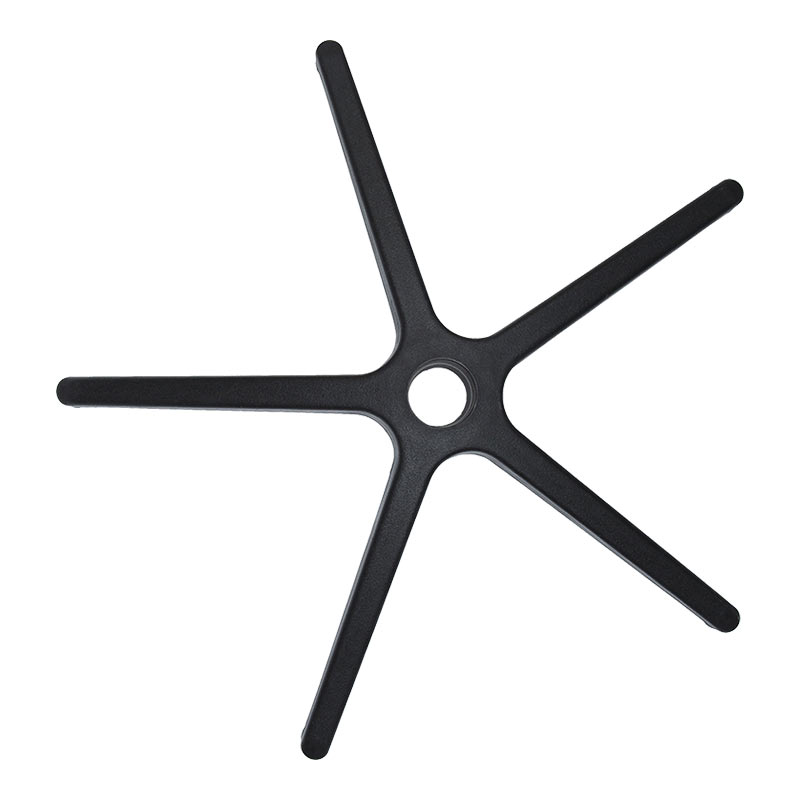
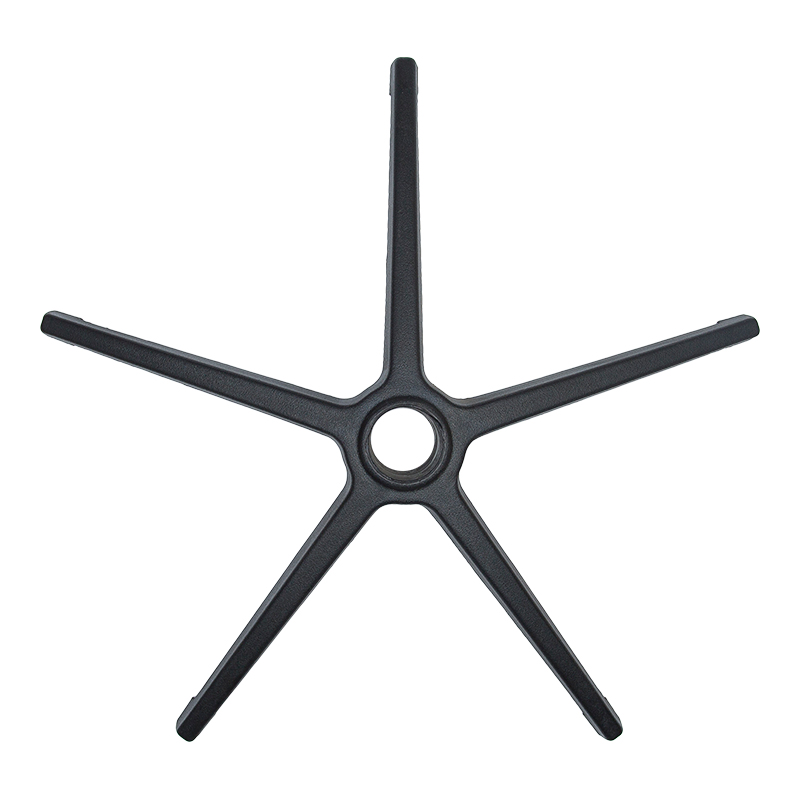
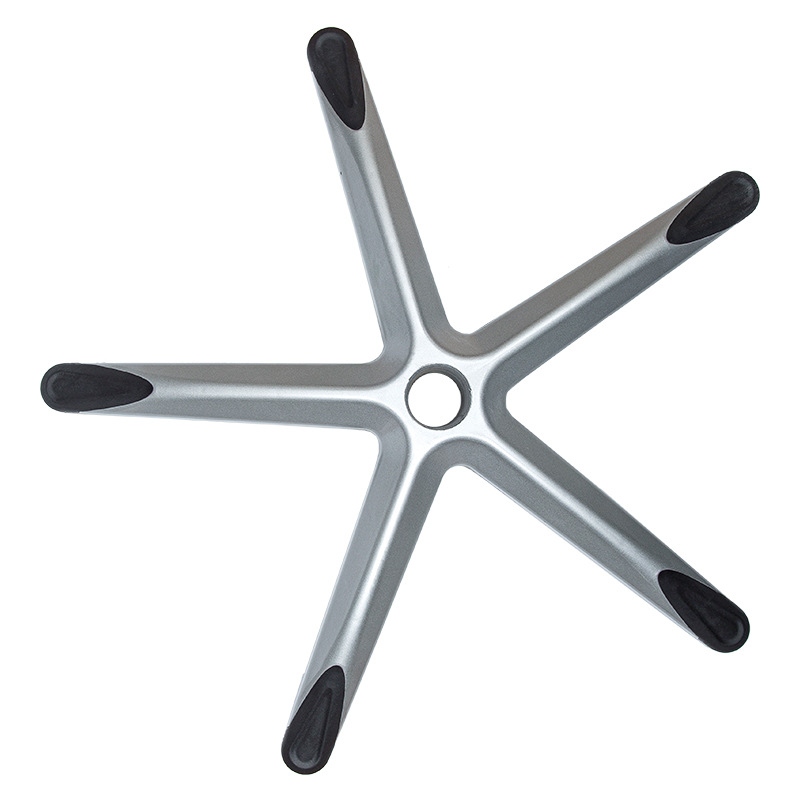
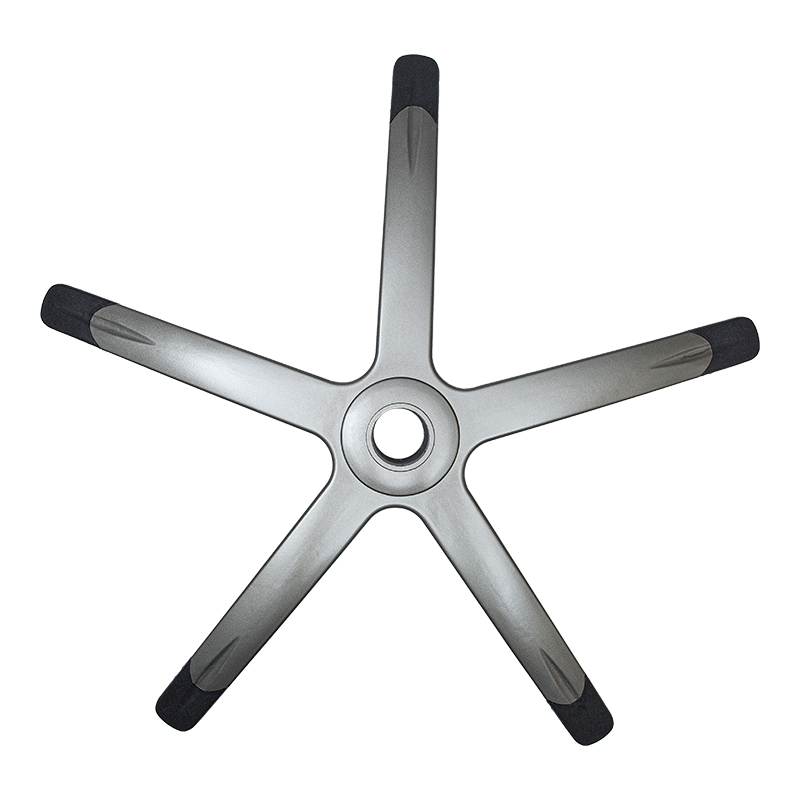
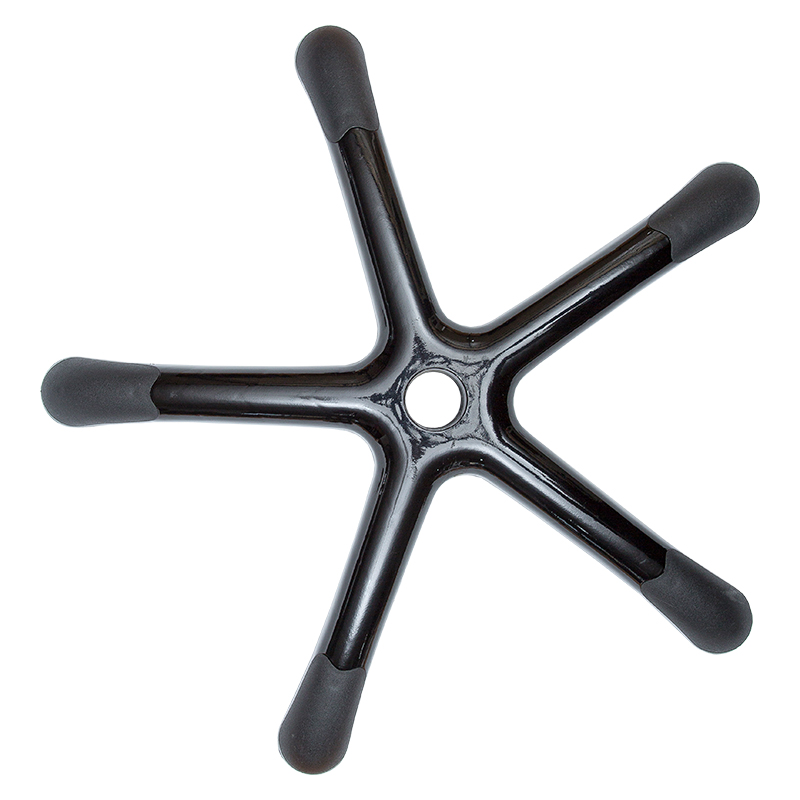
- ฐานเก้าอี้ (ฐานดาว, ฐานห้าดาว): ที่ radial support structure at the bottom of an office chair, typically with five arms extending from a central hub. A five-point base is the industry standard for stability — ฐานสี่จุดมีความเสถียรน้อยกว่าโดยเนื้อแท้ และไม่ค่อยมีการใช้ในที่นั่งแบบมืออาชีพ ฐานทำจากไนลอน (เติมแก้วเพื่อความแข็งแรง) อลูมิเนียมอัลลอยด์ หรือเหล็ก
- แขนฐาน (ขาฐาน, รังสีฐาน): แขนแต่ละข้างแผ่ออกจากศูนย์กลางศูนย์กลางของฐานดาว จำนวนและความยาวของฐานรองจะกำหนดรอยเท้าและความต้านทานการพลิกคว่ำของเก้าอี้
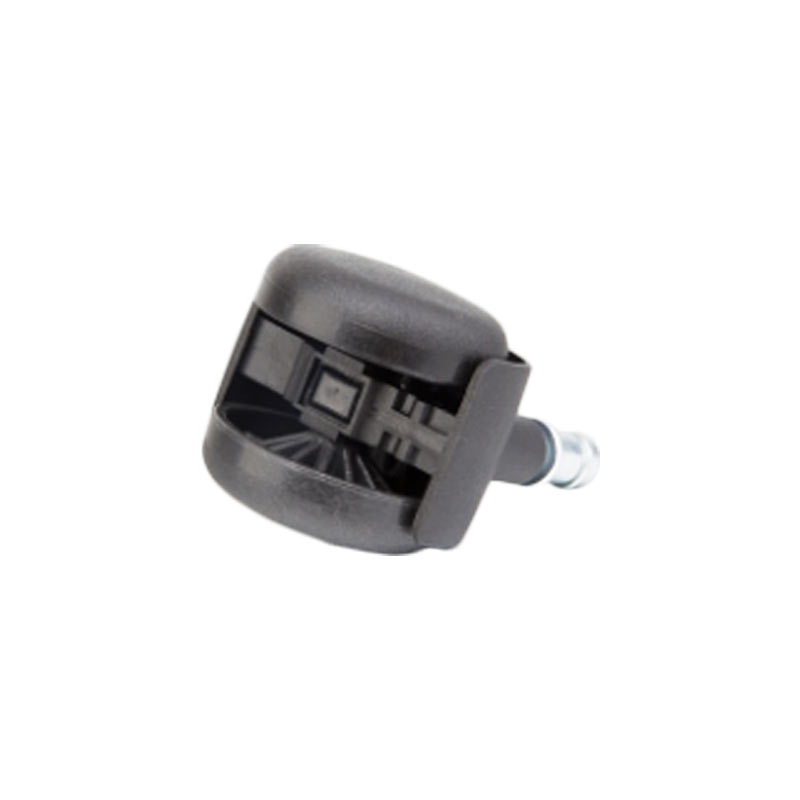
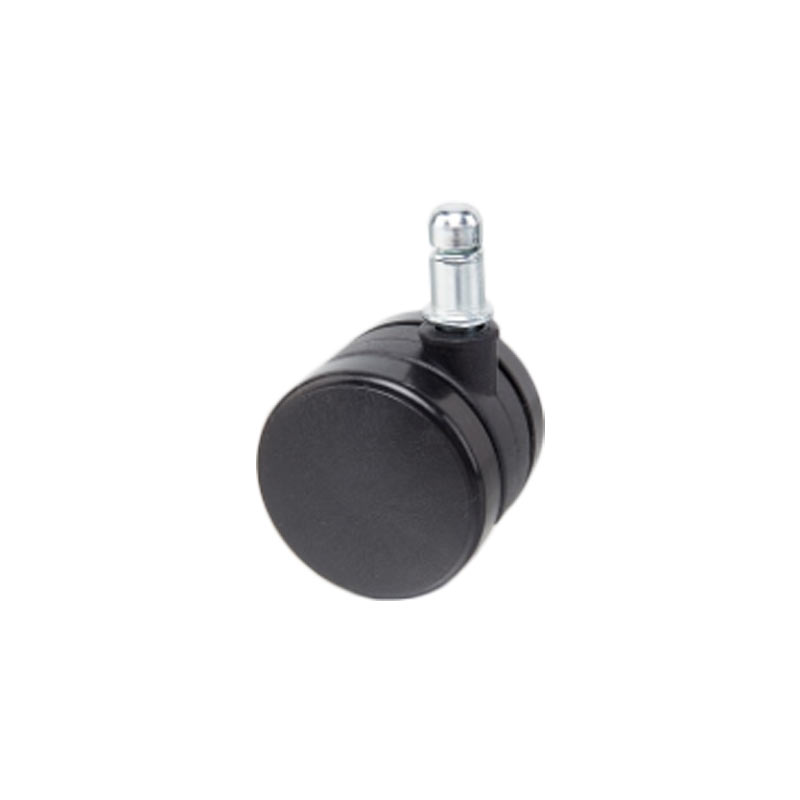
- ล้อเลื่อน (ล้อเลื่อน, ล้อเก้าอี้สำนักงาน): ที่ wheeled assembly at the tip of each base arm that allows the chair to roll. Each caster consists of a wheel (or twin wheels), a housing, a stem, and a swivel bearing that allows 360° rotation. Caster wheel materials include nylon (hard, for carpeted floors), polyurethane (soft, for hard floors), and rubber.
- ก้านล้อ (เสาล้อ, หมุดล้อ): ที่ vertical pin on the caster that inserts into the socket in the base arm to secure the caster. The most common type is the ก้านวงแหวนจับ (เรียกอีกอย่างว่าก้านเสียดสี) — หมุดทรงกระบอกธรรมดาพร้อมแหวนคลิปสปริงสำหรับล็อคไว้ในเต้ารับ เส้นผ่านศูนย์กลางและความยาวของก้านต้องตรงกับเบ้าฐาน ขนาดที่พบมากที่สุดคือเส้นผ่านศูนย์กลาง 11 มม. × ยาว 22 มม. (หรือที่เรียกว่า 7/16 ในก้าน)
- เหิน (เท้าเหิน, เท้าเก้าอี้): ฝาครอบพลาสติกหรือยางที่ไม่หมุนซึ่งพอดีกับช่องเสียบแขนฐานแทนลูกล้อ ใช้บนพื้นแข็งที่ไม่ต้องการการกลิ้ง หรือบนเก้าอี้ที่มีไว้สำหรับตำแหน่งคงที่
ชื่อชิ้นส่วนเก้าอี้รับประทานอาหารและเก้าอี้ข้าง
เก้าอี้ไม่หมุนใช้เงื่อนไขที่นั่งและพนักพิงร่วมกับเก้าอี้สำนักงาน แต่มีคำศัพท์เกี่ยวกับโครงสร้างสำหรับการประกอบขาเป็นของตัวเอง:
- ขาหน้า / ขาหลัง: ที่ vertical structural members supporting the seat at front and back. On traditional wooden chairs, rear legs typically extend upward to form the back stiles.
- Stile (เสาหลัง, หลังตรง): ที่ vertical side members of the backrest frame. On a ladder-back or Windsor chair, the stiles are the two vertical posts that define the sides of the back.
- ราง (รางไขว้, เปล): ชิ้นส่วนแนวนอนที่เชื่อมต่อขาเพื่อให้โครงสร้างมีความแข็งแกร่ง ก รางที่นั่ง เชื่อมต่อขาใต้ระดับที่นั่ง ก รางด้านหลัง คือส่วนแนวนอนที่ทอดข้ามรั้ว เปลหามคืออุปกรณ์พยุงแนวนอนระดับล่างระหว่างขา
- สาด: ที่ central vertical decorative and structural panel in the middle of a chair backrest — characteristic of traditional and Queen Anne style chairs. Shaped and carved splats are a primary identifier of antique chair styles.
- ผ้ากันเปื้อน (ผ้ากันเปื้อนที่นั่ง, กระโปรง): ที่ horizontal panel running around the perimeter of the seat frame between the tops of the legs, concealing the seat construction and providing structural rigidity to the leg-to-seat joint.
- ฝาครอบปลายเท้า (ฝาครอบขา, เครื่องร่อน): ฝาครอบพลาสติก ยาง หรือผ้าสักหลาดที่ติดไว้ที่ฐานของขาแต่ละข้างเพื่อปกป้องพื้นและป้องกันไม่ให้ขาแยกบนพื้นแข็ง



 ภาษาอังกฤษ




